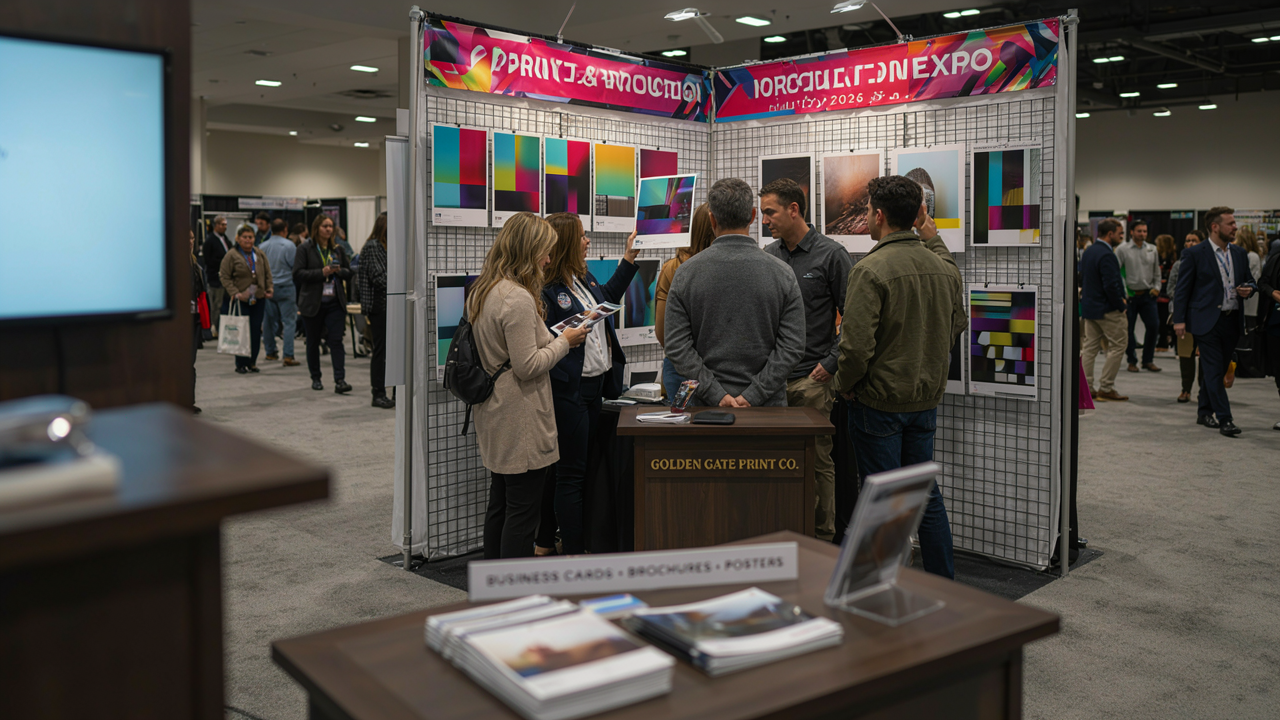
Preparing for a trade show involves much more than showing up with a booth and a stack of business cards. Your printed materials need to support your brand, communicate your message, guide visitors, and help your team create meaningful connections.
Trade show printing in Houston should therefore be planned as part of the event strategy—not as a last-minute production task.
From booth dimensions and artwork specifications to quantities and coordinating multiple printed pieces, a clear plan can help you avoid inconsistencies and ensure everything is ready to work together.
What Should I Print Before a Trade Show in Houston?
The answer depends on your booth, audience, and goals, but most exhibitors should consider a combination of:
- Business cards
- Brochures and company information
- Product sheets or service sheets
- Booth graphics
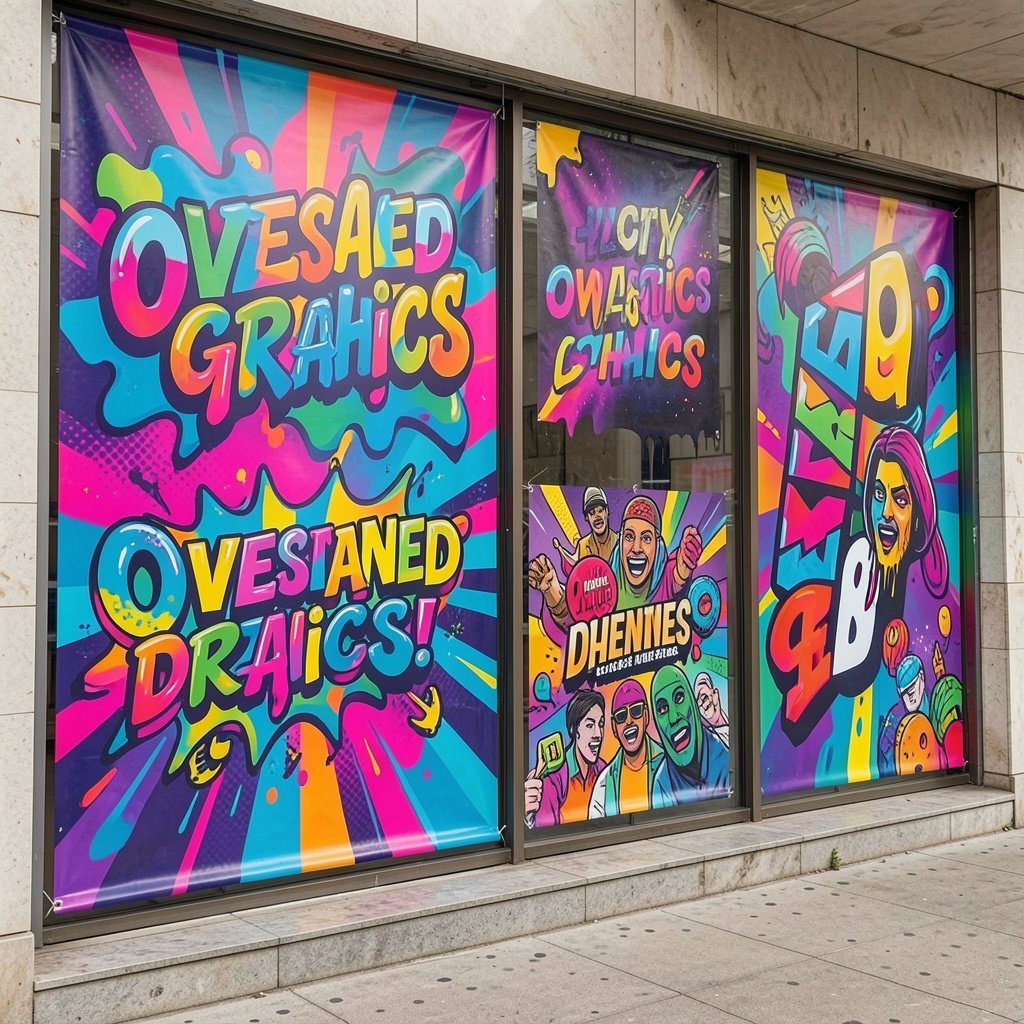
- Banners and large-format displays
- Directional or informational signage
- Promotional materials
- Presentation folders
- Handouts or event-specific materials
- Branded materials for lead generation
The key is not simply printing more. Each piece should have a purpose within the visitor experience.
Start With Your Booth Dimensions
Before designing or ordering anything, confirm the exact dimensions of your booth.
A 10′ x 10′ booth, for example, will have different graphic requirements than a larger exhibit. Wall graphics, banners, backdrops, tabletop displays, and signage all need to fit the available space.
Create a basic inventory of the booth:
- Back wall dimensions
- Side walls or panels
- Table dimensions
- Available hanging or display areas
- Signage locations
- Counter or reception areas
This information helps your design and printing teams determine the appropriate sizes and formats for each piece.
Keep Your Visual Identity Consistent
Trade shows are crowded environments. Your booth may be competing for attention with dozens—or hundreds—of other exhibitors.
That makes visual consistency especially important.
Your trade show printing in Houston should use the same brand colors, typography, logo treatments, photography style, and messaging across different materials.
For example, if your booth graphics use a specific headline and visual style, your brochures and product sheets should feel like part of the same campaign.
Consistency makes the brand easier to recognize and creates a more professional experience for attendees.
Make Sure Your Files Are Print-Ready
One of the most important steps before sending a project to print is reviewing the artwork.
Print-ready files should be prepared according to the specifications required for the finished product. Depending on the piece, this can include:
- Correct dimensions
- Appropriate resolution
- Proper color setup
- Bleed and safe areas
- Embedded or outlined fonts
- High-quality images
- Correct placement of logos and graphics
Large-format graphics require particular attention because artwork that looks acceptable on a computer screen may not produce the desired result when enlarged.
A professional printing partner can also help identify potential issues before production.
Determine Quantities Before You Order
How many brochures do you need? How many business cards will your sales team use? Will product sheets be handed to every visitor or only qualified leads?
These questions can help you establish realistic quantities.
Consider:
Expected attendance + number of booth staff + distribution strategy = a better estimate of what you need.
Also think beyond the booth. Your team may need additional materials for meetings, presentations, networking opportunities, or follow-up conversations after the event.
Coordinate All Your Printed Pieces
One of the biggest challenges of trade show preparation is managing multiple products at once.
You may have banners, brochures, business cards, product sheets, signage, folders, and promotional materials—all with different dimensions and production requirements.
Instead of treating each item as a separate project, create one master checklist.
| Material | Purpose | Size | Quantity | Artwork Ready |
|---|---|---|---|---|
| Booth Graphics | Brand visibility | Based on booth | — | ✓ |
| Brochures | Company information | Standard/custom | — | ✓ |
| Business Cards | Networking | Standard | — | ✓ |
| Product Sheets | Product education | Letter/custom | — | ✓ |
| Signage | Direction/information | Custom | — | ✓ |
| Promotional Materials | Brand recall | Custom | — | ✓ |
This simple system can make it easier to identify missing pieces and keep the entire project organized.
Think About the Visitor Journey
Your printed materials should work together throughout the attendee’s interaction with your booth.
For example:
Attraction:
Large-format graphics and booth signage capture attention.
Conversation:
Your team introduces the company or product.
Education:
Brochures and product sheets provide more detailed information.
Connection:
Business cards and promotional materials help visitors remember your brand.
Follow-up:
Printed information gives your sales team another touchpoint after the event.
Thinking about the journey helps prevent the common mistake of printing materials simply because they are traditional trade show items.
Work With Your Printing Partner Early
A good printing partner should be part of the planning process, especially when you’re coordinating several types of materials.
Share your booth dimensions, event date, artwork, quantities, and the complete list of materials you need. This gives the printer a clearer picture of the project and allows the team to identify technical requirements or potential problems.
For Houston exhibitors, this is particularly useful when preparing for major industry events and conventions held throughout the city.
For example, SUPER DUG Conference & Expo takes place at the George R. Brown Convention Center in Houston in September, bringing together exhibitors and industry professionals. SUPER DUG Conference & Expo official event information
A Better Approach to Trade Show Printing
Successful trade show printing isn’t about having the largest stack of materials. It’s about creating a coordinated collection of pieces that supports your booth, your brand, and your sales goals.
Before sending anything to production, review these five areas:
- Booth dimensions
- Brand consistency
- Print-ready artwork
- Quantities
- Coordination between materials
With the right planning, your printed materials can become an extension of your trade show strategy rather than simply something you place on a table.
Prepare Your Next Trade Show With Speedy Printing
At Speedy Printing Design + Print, we help Houston businesses bring trade show materials together—from business cards and brochures to signage, booth graphics, large-format printing, and other custom pieces.
Need help preparing your next project?
Call (713) 932-6954
Write to design@speedyprintingtx.com to get your quote
Instagram: @speedyprintingkf
FAQs
What should I print before a trade show in Houston?
Common materials include business cards, brochures, product sheets, booth graphics, banners, signage, and promotional materials.
How early should I prepare trade show printing?
Start as early as possible so you have enough time for design, file preparation, proofing, production, and coordination.
Can one printing company handle multiple trade show materials?
Yes. Working with one provider can simplify coordination across different printed pieces, sizes, finishes, and specifications.