Trade shows give businesses an opportunity to introduce their products, connect with potential customers, and build relationships with industry professionals. However, when attendees visit multiple booths in one day, brands need a thoughtful way to make their message memorable beyond the exhibition floor.
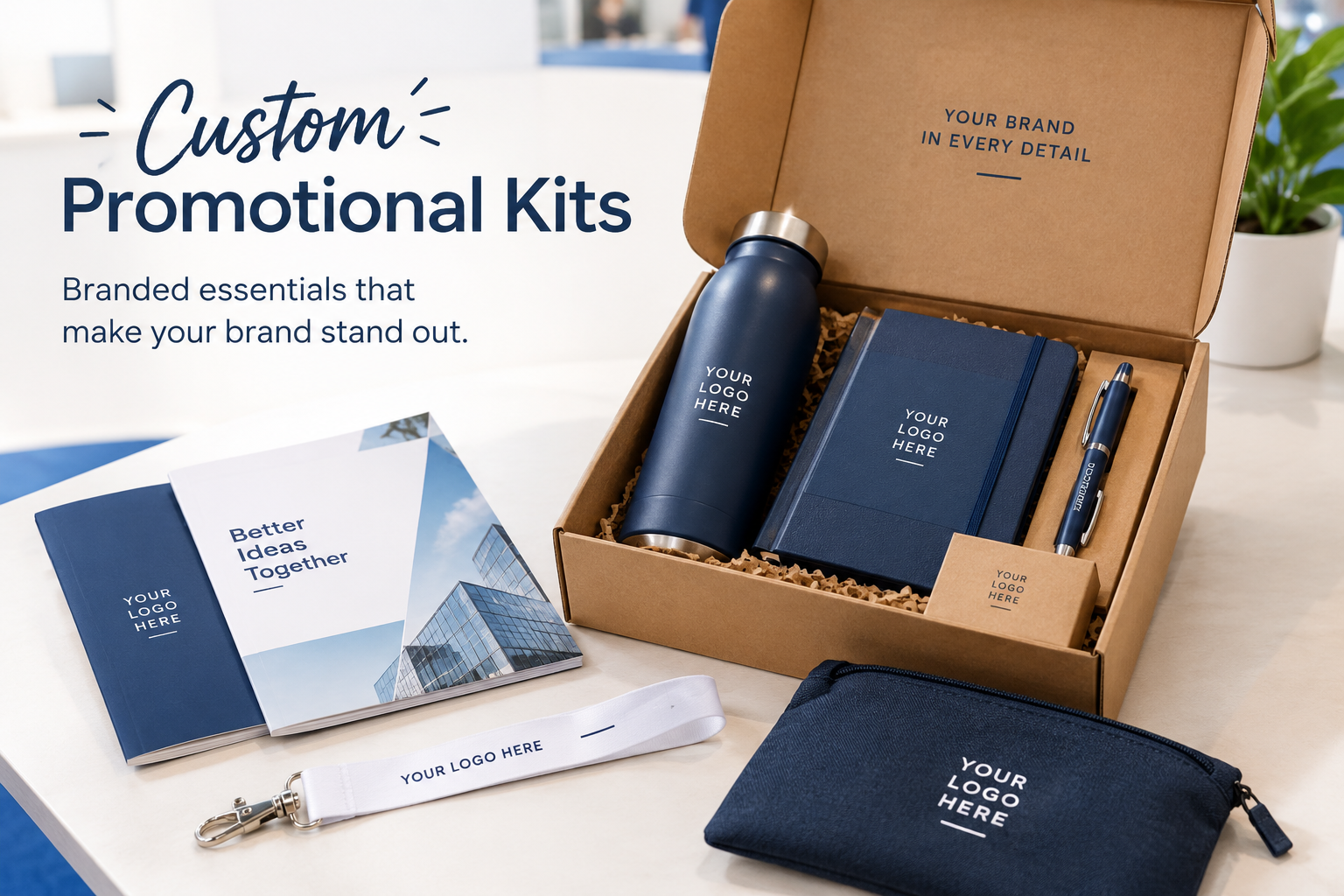
Custom promotional kits can help businesses create a coordinated brand experience by combining useful printed materials, product information, branded packaging, and selected promotional items. Rather than distributing unrelated giveaways, companies can assemble a collection that communicates their value, supports conversations with prospects, and encourages follow-up after the event.
For businesses exhibiting in Houston, where the George R. Brown Convention Center provides more than 700,000 square feet of exhibit space across seven halls, standing out requires more than showing up with a booth. A clear message and well-planned marketing materials can help a brand make better use of its time with attendees.
How Custom Promotional Kits Help Brands Stand Out at Trade Shows
A promotional kit should do more than put a logo on several items. It should give recipients a reason to engage with the brand and remember the conversation.
1. Create a Consistent Brand Experience
A coordinated kit connects every element through consistent branding, messaging, and presentation.
For example, a company exhibiting at a business-to-business trade show might combine a branded folder, a product brochure, a business card, and a printed insert with a QR code linking to a product catalog.
Using consistent colors, typography, logos, and messaging makes the collection feel intentional. It also reinforces the visual identity attendees have already seen on the booth’s banners and displays.
The objective is to help recipients recognize the company and understand what it offers, even after they leave the event.
2. Combine Printed Marketing Materials With Useful Items
The most effective promotional kits balance brand visibility with practical value. The contents should reflect the audience, the event, and the company’s marketing goals.
Depending on the campaign, a kit may include:
- Brochures and product sheets: Explain services, product features, or technical capabilities.
- Business cards: Make it easy to contact a specific representative.
- Printed folders: Keep documents and sales materials organized.
- Product catalogs: Give prospects information to review after the event.
- Branded packaging: Present the contents as one cohesive collection.
- Promotional inserts: Share a message, offer, product launch, or next step.
- QR code cards: Direct recipients to a landing page, demonstration, or contact form.
Not every kit needs every item. A focused collection that addresses a specific audience’s needs is often more useful than a package filled with materials recipients are unlikely to read or keep.
3. Make Product Information Easier to Remember
Trade show conversations can cover a lot of information in a short time. Printed materials give potential customers something they can review later, especially when comparing vendors or discussing options with colleagues.
For example, a Houston-based industrial supplier could include a capabilities brochure, a product specification sheet, and a contact card in a kit designed for procurement professionals.
A technology company might instead include a concise service overview, a case study, and a QR code linking to a product demonstration.
The important consideration is relevance. Each printed piece should answer a question, explain a benefit, or help the prospect take the next step.
4. Encourage Follow-Up After the Event
A promotional kit can support the next stage of the sales process when its contents include a clear follow-up path.
Consider including a printed card that invites recipients to schedule a consultation, explore a product demonstration, or contact a dedicated sales representative. A QR code can connect the physical material to a campaign landing page or other relevant online resource.
Marketing teams can also coordinate the kit with their customer relationship management (CRM) process. For example, representatives can record which products a prospect asked about and follow up with the relevant information after the event.
A kit alone does not guarantee leads or conversions, but it can make the transition from an initial conversation to a meaningful business discussion easier to manage.
What Should You Include in Custom Promotional Kits for Houston Trade Shows?
The ideal kit depends on the audience and the purpose of the exhibition. Houston’s business events span industries such as energy, healthcare, technology, construction, and manufacturing, so a one-size-fits-all approach may not communicate the right message to every group.
Build Kits Around Your Target Audience
Before selecting materials, consider who will receive the kit and what information matters most to them.
For example:
- Corporate buyers: Company profiles, service brochures, capabilities statements, and contact information.
- Technical professionals: Product specifications, application guides, and technical literature.
- Potential channel partners: Product catalogs, partnership information, and relevant case studies.
- Existing customers: Product updates, new service information, and personalized follow-up materials.
This approach makes the kit more relevant to the recipient and helps your team connect its contents to the conversations happening at the booth.
Match the Kit to Your Trade Show Goals
A kit designed to introduce a new product may require different materials from one intended to generate qualified sales leads.
If your goal is brand awareness, focus on recognizable branding and a concise introduction to your company. If you want to support sales conversations, prioritize product information and a clear next step.
For customer retention or partner engagement, consider materials that explain new offerings or provide useful information about the relationship.
Define the goal before production so that every component supports the same purpose.
Use Packaging to Present the Collection Professionally
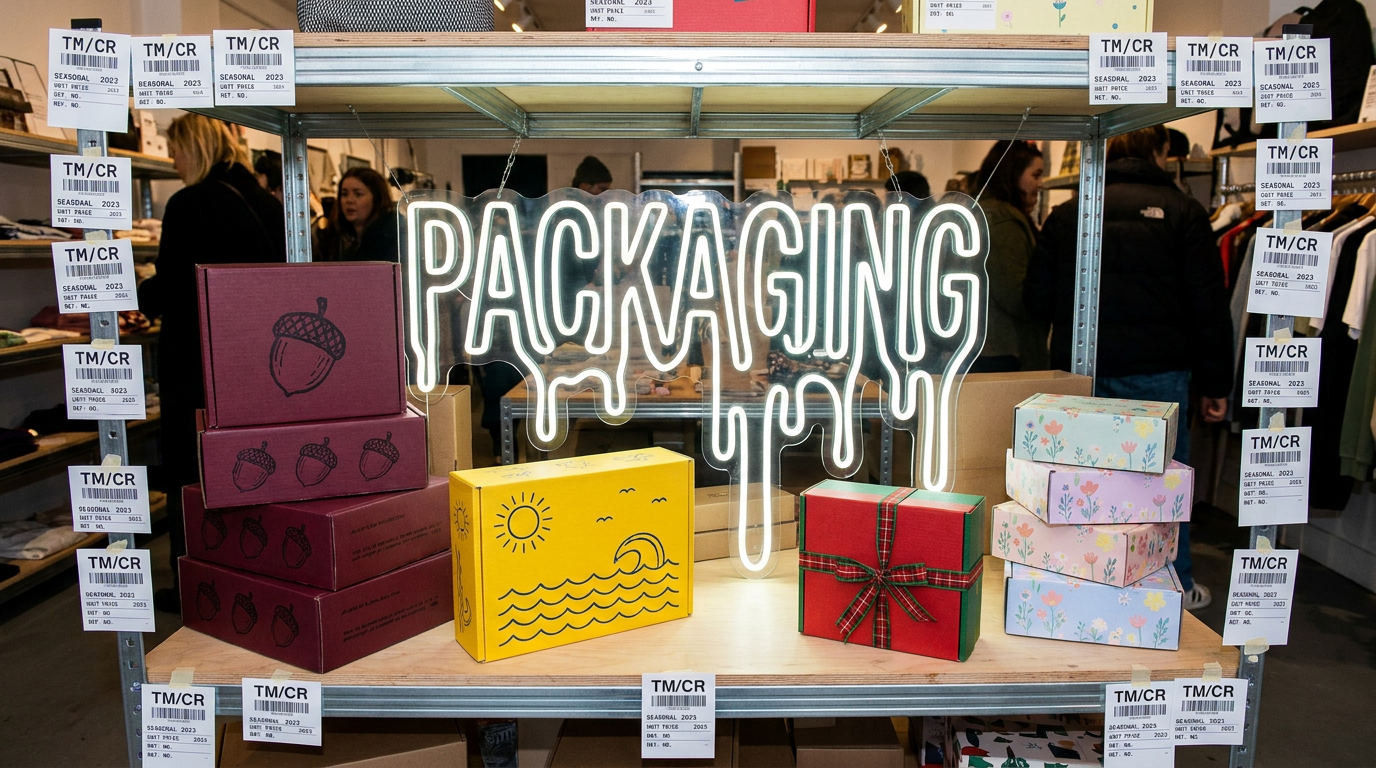
Packaging brings the individual pieces together and shapes the recipient’s first impression of the kit.
A printed folder, branded box, or coordinated sleeve can organize the contents while presenting a consistent identity. The appropriate format depends on the quantity of materials, the items being included, and how the kits will be distributed.
If attendees will carry the kits throughout a large exhibition, consider portability and durability. If the collection will be mailed to selected prospects after the show, packaging should also accommodate the contents and the intended shipping method.
Plan Custom Promotional Kits Before the Trade Show
A successful kit begins with preparation, not last-minute product selection. Marketing teams need time to choose the contents, finalize artwork, confirm quantities, and review the finished materials.
Use this checklist to organize the process:
- Define the audience and objective. Decide whether the kit is intended for prospects, customers, partners, or general attendees.
- Select the essential contents. Choose printed pieces that support the event’s marketing message.
- Coordinate the design. Keep branding and messaging consistent across the materials and packaging.
- Confirm quantities. Estimate how many kits you need and whether different audience groups require different versions.
- Review all artwork. Check spelling, contact details, product information, QR codes, and print specifications.
- Allow time for production. Account for approvals, printing, assembly, delivery, and any event-specific deadlines.
For Houston exhibitors, reviewing the event’s exhibitor instructions is also important. Venue requirements, booth arrangements, and distribution plans can affect how materials should be prepared and transported.
Make Your Brand Memorable Beyond the Booth
Trade show marketing should not end when an attendee walks away from your display. A well-planned promotional kit can extend the brand experience by giving recipients relevant information, a consistent visual presentation, and a clear reason to reconnect.
The strongest custom promotional kits are built around a purpose. By combining brochures, product sheets, business cards, printed inserts, and coordinated packaging, businesses can support conversations on the exhibition floor and create useful touchpoints for follow-up.
Speedy Printing Design + Print helps businesses prepare printed marketing materials for professional events and brand campaigns. To discuss printing options for your next trade show, contact the team at (713) 932-6954 or design@speedyprintingtx.com.
FAQs About Custom Promotional Kits
How can promotional kits help brands stand out at trade shows?
Promotional kits bring branded materials together in a coordinated presentation. They can help businesses communicate product information, reinforce brand recognition, support conversations with prospects, and provide useful materials for follow-up after the event.
What should a trade show promotional kit include?
A kit may include brochures, product sheets, business cards, printed folders, catalogs, promotional inserts, and branded packaging. The right selection depends on the target audience, event objectives, and the information recipients need.
When should businesses prepare promotional kits for a trade show?
Businesses should begin planning as soon as their participation is confirmed. Allow time to select contents, approve artwork, verify quantities, print materials, assemble kits, and coordinate delivery before the event.