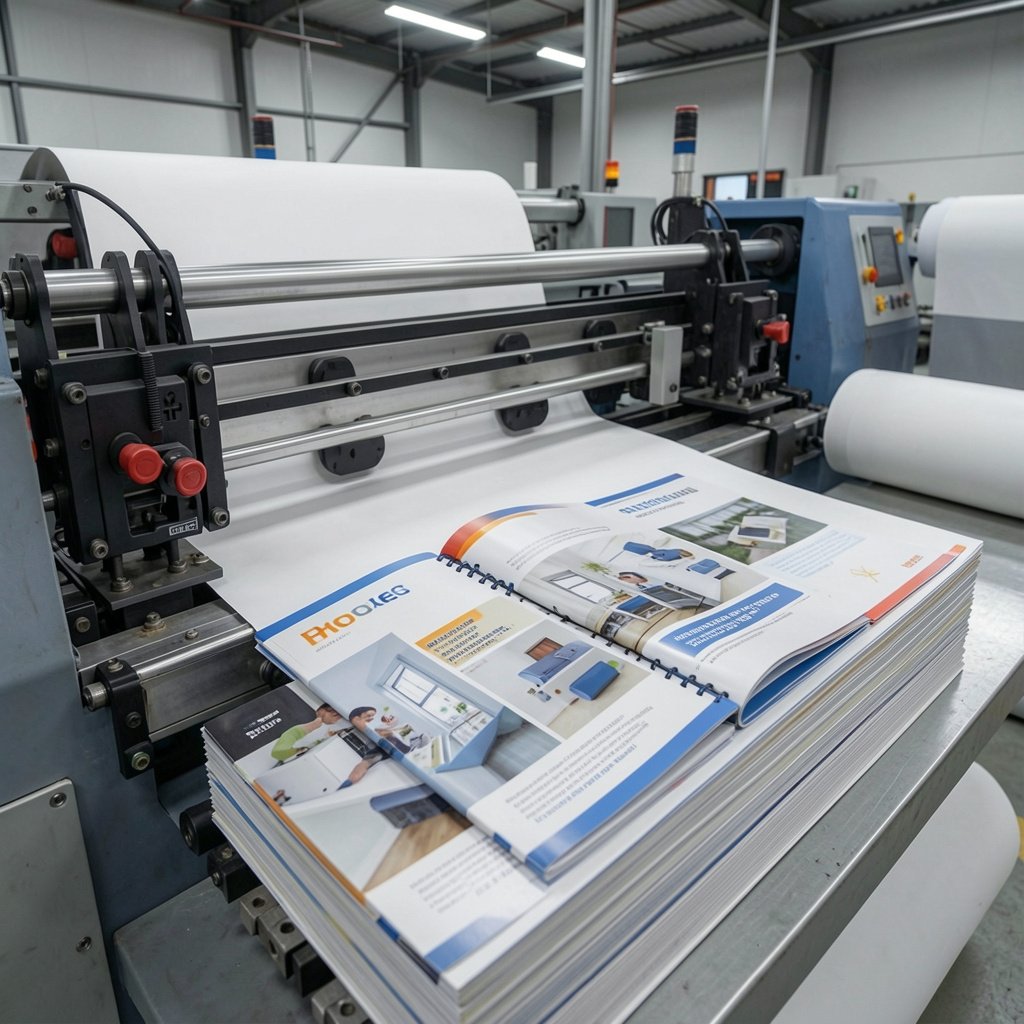
Digital documents are convenient, but they aren’t always the best way to communicate important information. When a business needs to train employees, explain a process, present detailed information, or create a professional resource people can keep and reference, professional booklet printing can be a smart choice.
Unlike a single flyer or brochure, booklets provide enough space to organize more detailed content without overwhelming the reader. For corporate trainers and HR managers, they can become practical tools for onboarding, employee training, workshops, company events, and internal communications.
And while PDFs are easy to email, a well-designed printed booklet has one advantage digital files can’t quite replicate: it gives people something tangible to hold, read, highlight, and keep.
At Speedy Printing, we help businesses transform their training materials, company information, and marketing content into professionally printed booklets designed around their specific needs.
Professional Booklet Printing: When Should a Business Use Printed Booklets?
So, when should a business use printed booklets?
Businesses should consider printed booklets when they need to communicate more information than a flyer or brochure can comfortably accommodate.
Common applications include:
- Employee training materials
- New-hire onboarding guides
- Company handbooks
- Product catalogs
- Instruction manuals
- Workshop materials
- Event programs
- Educational resources
- Sales presentations
- Corporate reports
- Service guides
- Training workbooks
The format works particularly well when the reader needs to refer back to the information instead of simply seeing it once.
For HR departments and corporate trainers, that makes booklets especially useful for structured learning and employee development.
Why Are Printed Booklets Useful for Employee Training?
Training often involves a lot of information.
Employees may need to learn procedures, company policies, safety requirements, software instructions, product information, or customer service standards.
Sending all of that information through email can make it difficult to organize and reference.
A printed booklet gives employees a physical resource they can keep nearby throughout the training process.
For example, a training booklet might include:
Company Information
Mission, values, culture, organizational information, and key contacts.
Policies and Procedures
Important workplace policies can be organized into clearly labeled sections.
Step-by-Step Instructions
Processes can be explained using text, images, diagrams, and examples.
Exercises and Activities
Trainers can include questions, worksheets, or spaces for notes.
Reference Information
Employees can keep useful information available after the training session ends.
This turns the booklet into more than a presentation handout. It becomes a practical reference guide.
Booklets vs. Brochures: What’s the Difference?
A common question is whether a business really needs a booklet or if a brochure would be enough.
The answer depends on how much information you need to communicate.
Brochures are usually better for concise information such as:
- Services
- Product highlights
- Company introductions
- Promotions
- Events
- Key benefits
Booklets are better when you need more room for:
- Detailed explanations
- Multiple sections
- Training content
- Instructions
- Product catalogs
- Educational materials
- Workbooks
- Reference information
If your content requires several pages to make sense, forcing everything into a single brochure may not be the best solution.
Sometimes your content simply needs room to breathe.
How Corporate Trainers Can Use Printed Booklets
Corporate trainers can incorporate booklets into nearly every stage of a training program.
Onboarding
Create an employee welcome booklet containing company information, policies, procedures, contact information, and essential resources.
Workshops
Provide participants with printed materials they can follow throughout the session.
Skills Training
Include exercises, examples, instructions, and reference information.
Compliance Training
Organize important policies and procedures into a structured resource.
Continuing Education
Create reusable training guides employees can reference after the session.
This can also help create a more consistent training experience when multiple trainers or locations are involved.
Why Physical Training Materials Still Matter
Digital learning has transformed corporate training, and there is no question that online platforms are valuable.
But physical and digital resources don’t have to compete.
They can complement each other.
A printed booklet can provide the core training material while QR codes connect employees to:
- Training videos
- Online resources
- Digital forms
- Company portals
- Additional documentation
- Online quizzes
- Support pages
This creates a hybrid learning experience that combines the convenience of digital content with the physical usability of printed materials.
Professional Booklet Printing Can Strengthen Your Brand
Training materials are also part of your company’s brand experience.
A poorly designed document with inconsistent fonts, low-quality images, and confusing layouts can make even excellent content feel less professional.
A professionally printed booklet allows businesses to maintain consistency across:
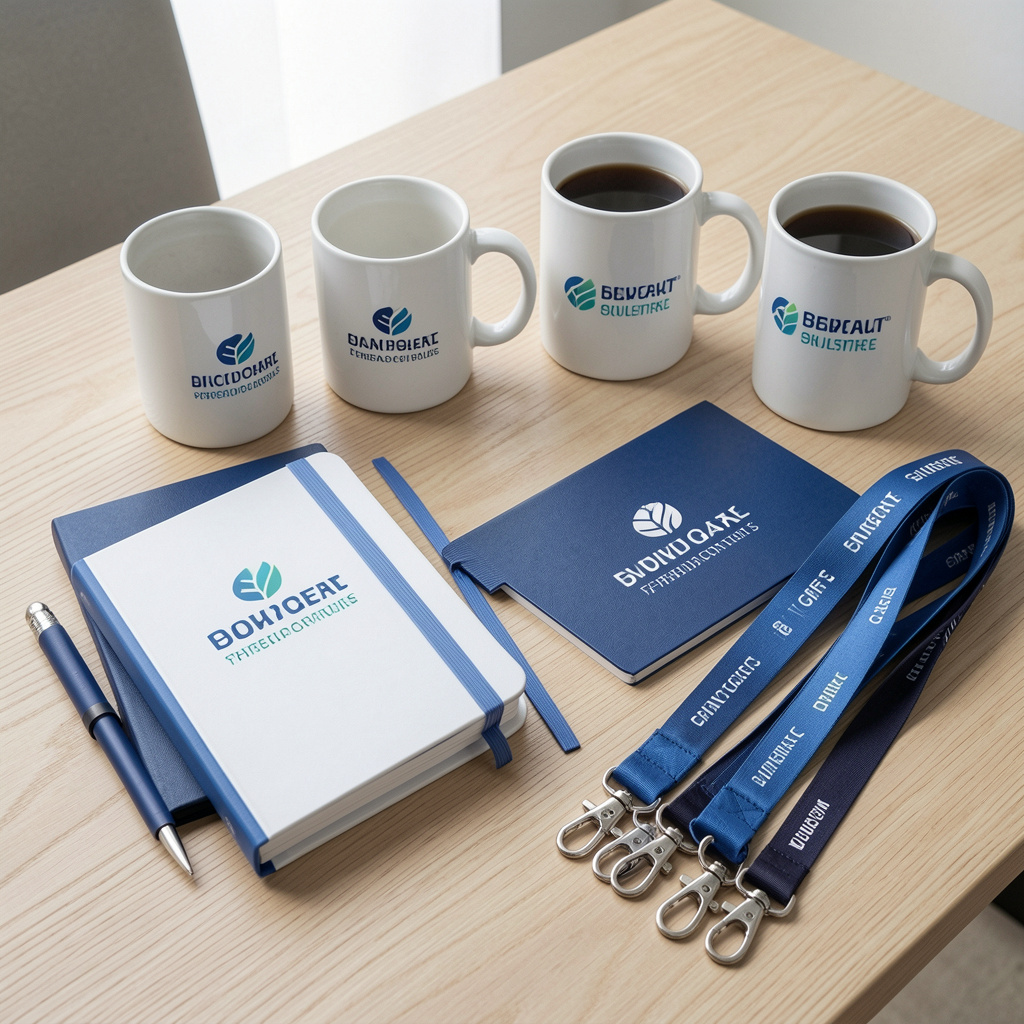
- Logo placement
- Brand colors
- Typography
- Photography
- Graphics
- Messaging
- Layout
For corporate organizations, this consistency reinforces professionalism and makes internal materials feel intentional rather than improvised.
What Should a Business Include in a Training Booklet?
The content will vary depending on the purpose, but a well-structured training booklet might include:
- Cover page
- Table of contents
- Learning objectives
- Training sections
- Visual examples
- Exercises or activities
- Reference information
- Key takeaways
- Contact information
- Additional resources
Breaking information into sections makes the material easier to navigate.
And don’t underestimate the value of white space. A page doesn’t become more useful just because you’ve managed to squeeze another 300 words onto it.
How Design Affects Printed Booklets
Good booklet design isn’t just about making the pages look attractive.
It should make information easier to understand.
Consider:
Readable Typography
Text should be comfortable to read, especially during longer training sessions.
Clear Hierarchy
Headings, subheadings, lists, and visual elements should help readers understand the structure.
Consistent Layout
Repeating design elements makes the booklet easier to navigate.
Visual Content
Charts, diagrams, icons, photographs, and illustrations can make complicated information easier to process.
Logical Page Flow
Information should move naturally from one section to the next.
The best booklet design often feels simple because the difficult organizational work happened before the file ever reached the printer.
What Businesses Should Consider Before Printing
Before ordering booklets, think about how they will actually be used.
Ask yourself:
- How many pages do we need?
- Who will use them?
- Will they be used once or repeatedly?
- Do readers need space to write notes?
- Will the booklet be used indoors or transported frequently?
- How many copies are needed?
- Do we need full-color printing?
- Should the booklet match our corporate branding?
These decisions can help determine the appropriate size, paper, binding, and finishing options.
Why Choose Speedy Printing?
At Speedy Printing, we provide professional printing solutions for businesses, organizations, schools, and corporate teams.
Our services include:
- Booklet printing
- Brochures
- Catalogs
- Business cards
- Flyers
- Training materials
- Commercial printing
- Graphic design
- Specialty printing
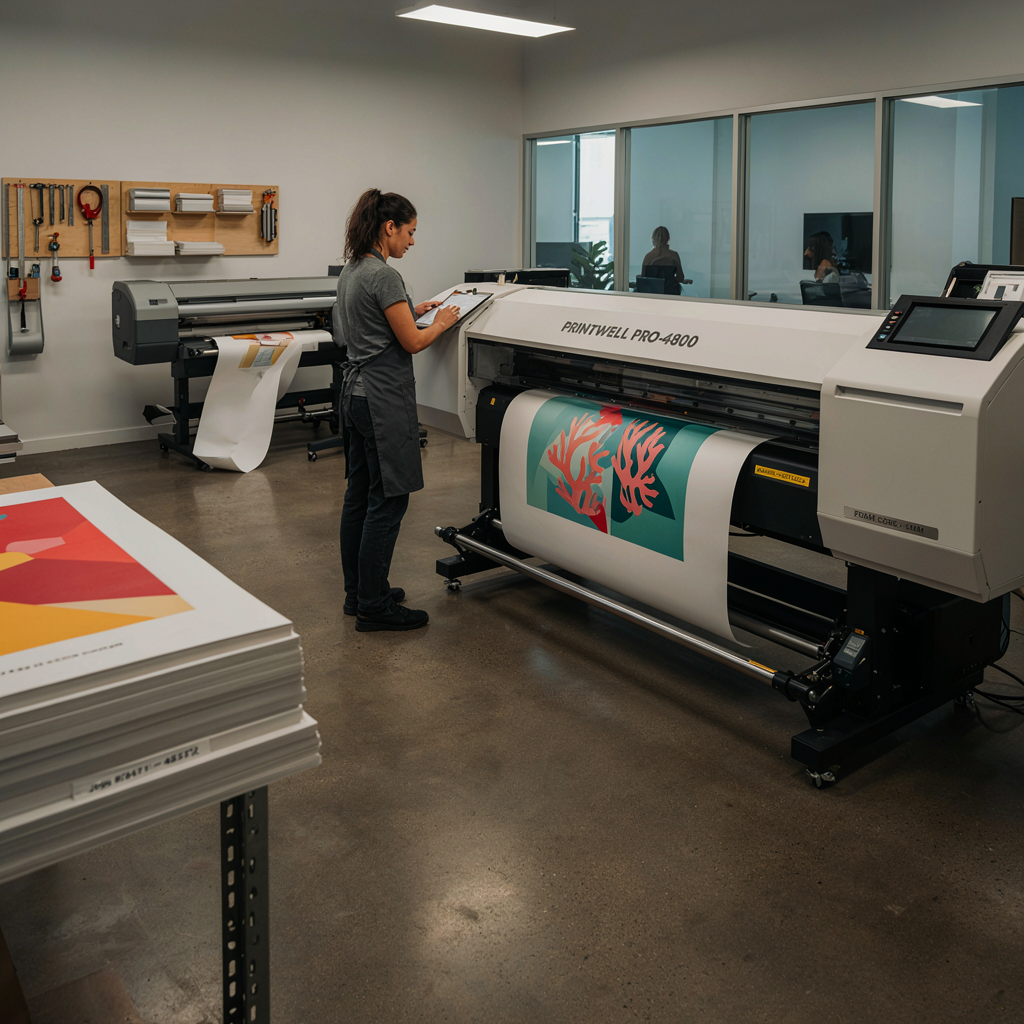
- Wide-format printing
- Copy and print services
Our team can help you determine the best printing format for your project and make sure your final materials look professional and consistent with your brand.
Whether you’re preparing employee training materials, a company handbook, a product catalog, or an event program, we can help bring your project from digital file to finished print.
Is Professional Booklet Printing Worth It?
For businesses that need to communicate detailed information in an organized and reusable format, professional booklets can be a worthwhile investment.
They provide more space than brochures, more structure than loose pages, and a more tangible experience than a digital document.
For corporate trainers and HR managers, they can support onboarding, training, workshops, compliance programs, and employee development.
And when designed well, they don’t just communicate information—they make that information easier to use.
Not every business needs a printed booklet.
If you only need to communicate a few key points, a flyer or brochure may be more appropriate. But when your audience needs detailed information they can read, reference, and keep, a booklet can be a much better format.
Professional booklet printing can help businesses turn training materials, educational content, product information, and corporate resources into organized, professional tools.
For HR managers and corporate trainers, that can mean a more consistent training experience and a resource employees can actually use beyond the meeting itself.
Because sometimes, the best training material isn’t another link in an inbox.
It’s something people can actually hold onto.
Frequently Asked Questions
When should a business use printed booklets?
A business should consider printed booklets when it needs to communicate detailed information across multiple pages. Common uses include employee training, onboarding, company handbooks, workshops, product catalogs, and instructional materials.
Are printed booklets useful for employee training?
Yes. Booklets can organize training information, instructions, exercises, visuals, and reference materials into one convenient resource that employees can use during and after training.
Can printed booklets include digital resources?
Yes. Businesses can include QR codes that connect printed booklets to videos, websites, online forms, training platforms, digital documents, or other online resources.