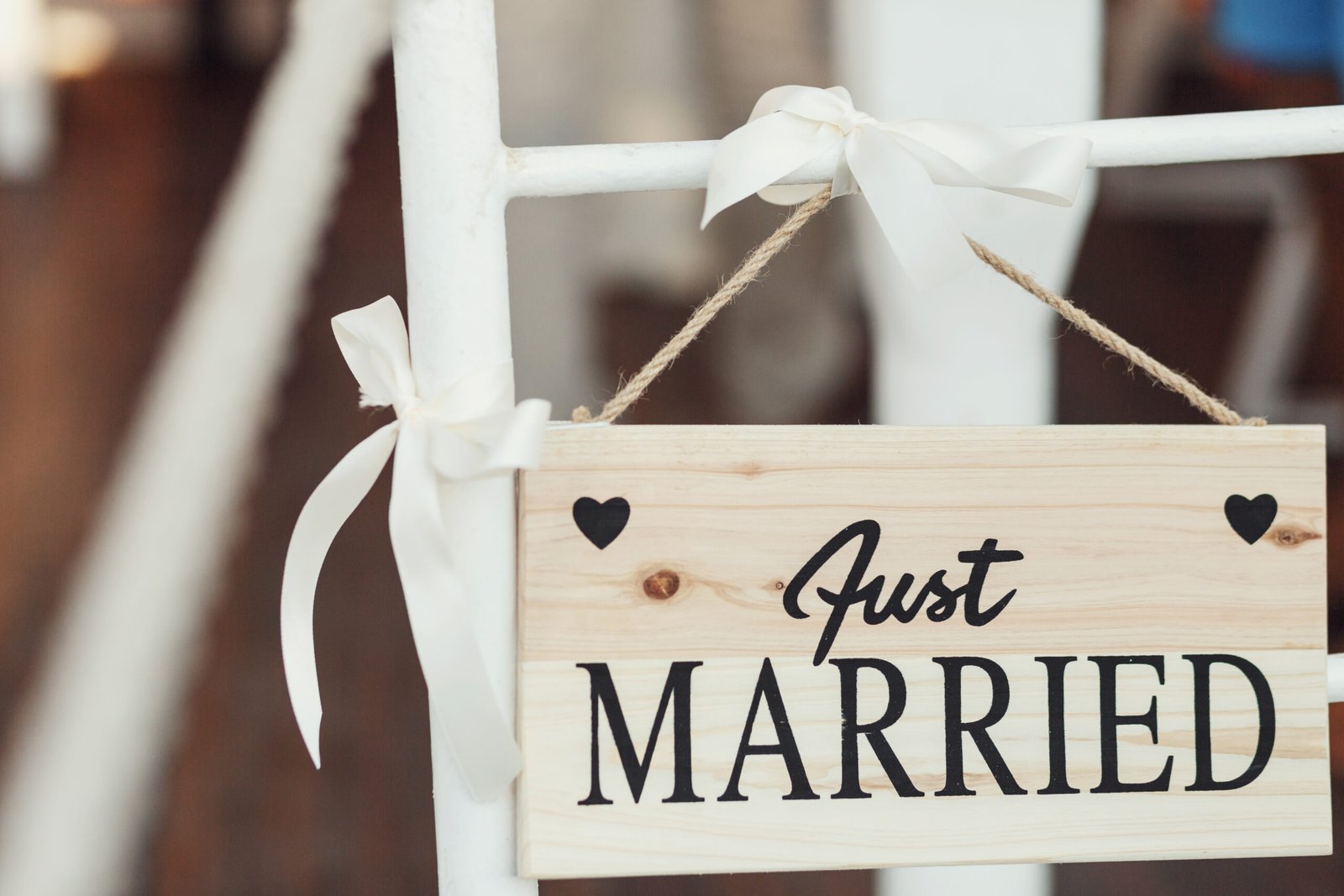
Wedding invitations are often the first printed pieces couples choose for their big day. They introduce the celebration, communicate essential details, and give guests an early impression of the wedding’s style. But invitations are only one part of the stationery experience.
Wedding stationery printing can include ceremony programs, menus, place cards, seating charts, welcome signs, table numbers, and thank-you cards. Each piece serves a practical purpose while helping create a consistent visual identity throughout the celebration.
For couples and wedding planners organizing events in Houston, coordinating these materials in advance can make it easier to manage guest information, venue details, and the overall presentation. Whether the wedding is an intimate gathering or a large reception, the right printed pieces can make the event feel more organized and personal.
What Wedding Stationery Printing Should Include Beyond Invitations
Not every wedding requires every type of stationery. The best selection depends on the ceremony format, reception layout, guest count, and couple’s preferences. These are some of the most useful pieces to consider.
1. Wedding Stationery Printing: Ceremony Programs
A ceremony program helps guests follow the order of events and understand important moments during the service.
Depending on the ceremony, it might include the names of the couple, the officiant, the wedding party, readings, musical selections, or a short message of appreciation.
Programs are particularly helpful for formal ceremonies or celebrations that include several participants. They can also explain cultural or religious traditions that may be unfamiliar to some guests.
For a simple ceremony, a single-page program may be sufficient. More elaborate celebrations might benefit from a folded format with additional information.
2. Wedding Menus for the Reception
Printed menus give guests an overview of the meal and contribute to the reception table’s presentation.
A wedding menu can list courses, beverages, and special selections. Couples may also choose to include dietary information when appropriate.
Menus can be designed to match the invitations, table settings, and other printed materials. For example, a formal evening reception might use an elegant, minimal layout, while an outdoor celebration could feature a more relaxed design.
Before printing, confirm the final menu with the caterer to avoid inconsistencies between the printed information and the meal being served.
3. Place Cards and Seating Charts
Helping guests find their seats is an important part of reception planning.
Place cards identify individual seats, while seating charts show guests which table they have been assigned to. Depending on the venue and reception format, couples may use one or both.
These materials can be especially useful for larger weddings, where guests may need additional guidance when entering the reception space.
Because guest lists and seating arrangements can change, finalize names and table assignments before approving the print order. A careful review of spelling and table numbers can prevent last-minute confusion.
4. Wedding Signage and Welcome Signs
Wedding signage helps guests navigate the venue and understand where different activities take place.
Common options include:
- Welcome signs at the entrance
- Directional signs for the ceremony and reception
- Bar menus and beverage signs
- Guestbook instructions
- Signs identifying the gift table
- Reserved seating signs
For weddings at Houston-area venues, including hotels, event halls, gardens, and outdoor spaces, signage can be particularly useful when several areas are involved.
Large-format printing allows couples to create visible welcome signs and directional graphics that complement the rest of their stationery. Before selecting sizes and materials, check the venue’s rules for sign placement and installation.
5. Table Numbers and Additional Reception Details
Table numbers help guests and catering staff identify seating areas quickly. They can also reinforce the wedding’s visual theme.
Couples might choose traditional numbered cards or use names connected to meaningful places, shared memories, favorite books, or other personal interests.
Additional printed pieces may include reserved table cards, favor tags, labels, or small signs explaining interactive activities.
The goal is to select details that contribute to the guest experience without overcrowding the tables or creating unnecessary production requirements.
6. Thank-You Cards and Post-Wedding Stationery
Wedding stationery does not have to end when the reception is over.
Printed thank-you cards provide a personal way to acknowledge gifts, attendance, and support from family and friends. Couples can also use printed cards to share a favorite wedding photograph or a short message after the celebration.
Ordering thank-you cards alongside the other stationery can help maintain a consistent visual style and simplify planning.
Couples who prefer to personalize each message can choose a design with enough space for handwritten notes.
How to Coordinate Wedding Stationery Printing
Once you know which pieces you need, the next step is making sure they work together.
Choose a Consistent Visual Identity
Start with a few design elements that can carry across the stationery collection, such as typography, colors, decorative motifs, or a monogram.
These details can connect the invitations with the menus, programs, signage, and thank-you cards without requiring every piece to look identical.
Consistency helps the event feel intentional while allowing each item to serve its own purpose.
Match Materials and Formats to Each Piece
Different stationery items have different requirements.
Small place cards need clear, readable text. Menus need enough room for food descriptions. Welcome signs require a format and size appropriate for their display location.
Consider the paper stock, dimensions, finish, and intended use of each item before placing an order. Your printing provider can help you evaluate the options available for the project.
Create a Printing Timeline
Wedding stationery often involves several rounds of review, particularly when guest names, seating arrangements, and menus must be confirmed.
A practical planning sequence is to finalize the main invitation design first, identify the additional stationery pieces, and then establish approval and production deadlines for each item.
Some materials, such as welcome signs and menus, may need final updates closer to the wedding date. Allow enough time for proofing, printing, and delivery without leaving every decision until the last minute.
Make Wedding Stationery Printing Part of the Guest Experience
Wedding stationery is more than decoration. It helps guests understand the schedule, find their seats, navigate the venue, and feel welcomed throughout the celebration.
From ceremony programs and menus to place cards, seating charts, welcome signs, and thank-you cards, every printed piece can serve a purpose while reinforcing the couple’s chosen style.
For couples and wedding planners preparing an event in Houston, coordinating these materials early can make the planning process more manageable and create a more cohesive presentation.
Speedy Printing Design + Print can help with printed materials for celebrations and special events. Contact the team at (713) 932-6954 or design@speedyprintingtx.com to discuss your printing needs.
FAQs About Wedding Stationery Printing
What wedding stationery do you need besides invitations?
Common options include ceremony programs, reception menus, place cards, seating charts, table numbers, welcome signs, directional signage, and thank-you cards. The right combination depends on the wedding format, venue, and guest experience.
When should couples order their wedding stationery?
Couples should begin planning stationery early enough to review designs, confirm quantities, and approve the final artwork. Items that depend on the guest list, menu, or seating plan may need to be finalized closer to the wedding, with sufficient time allowed for printing and delivery.
Can wedding stationery match the invitations?
Yes. Couples can coordinate stationery using consistent typography, colors, motifs, and other design elements. This approach creates a cohesive visual identity across invitations, ceremony programs, menus, signage, and other printed materials.